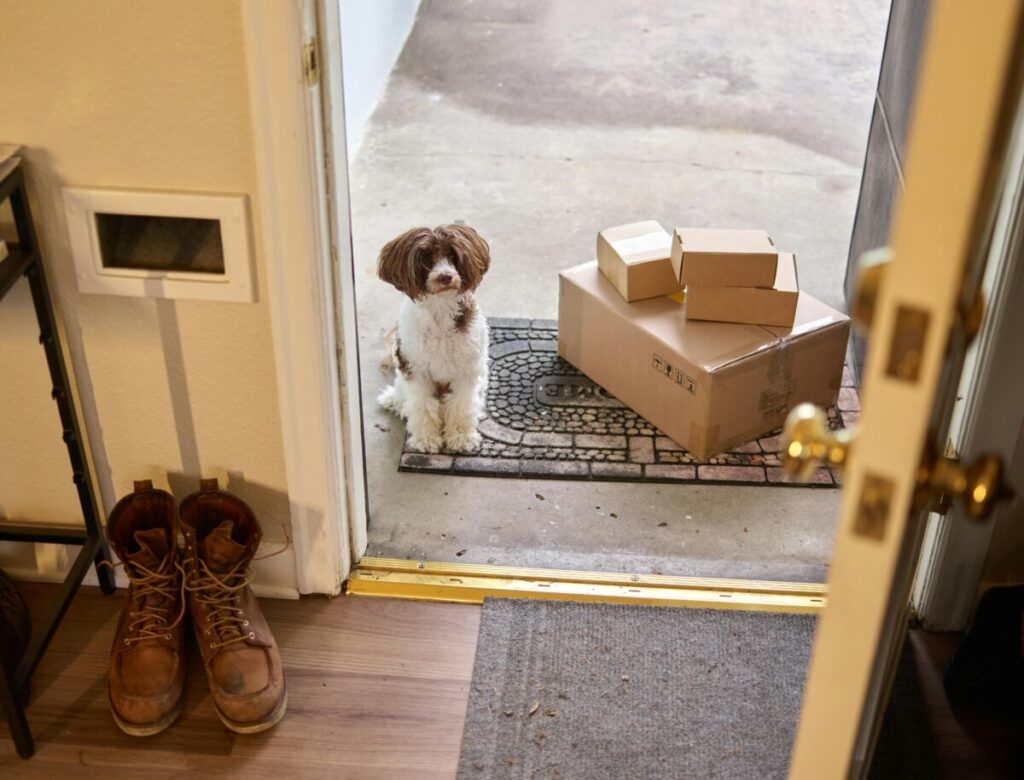
If you have pets, your entryway does more work than any other part of the home. Every walk, potty break, or outdoor play session brings dirt, dust, moisture, and fur right to your front door.
The good news? You don’t need a full renovation or expensive products to stop the mess at the source. With a few smart adjustments, your entryway can become a dirt-control zone that protects the rest of your home.
This guide walks you through simple, realistic ways to pet-proof your entryway so dirt stays where it belongs.
Why the Entryway Matters More Than You Think
For pet owners, the entryway is the first line of defense. When it’s not set up properly, dirt spreads quickly to carpets, sofas, rugs, and beds.
Common entryway problems include:
- Muddy paw prints tracked into living areas
- Loose fur settling into rugs and corners
- Wet floors that trap dirt and odors
- Leashes, towels, and shoes creating clutter
Fixing these issues at the door saves time, reduces cleaning, and keeps your home feeling fresher overall.
Start With a Two-Mat System (This Makes a Huge Difference)
One mat is rarely enough—especially with pets. What works better is a two-mat setup:
- Outside (The Scraper): Place a heavy-duty, coarse coir or rubber mat outside the door. Its sole purpose is to scrape off large chunks of mud, grit, and leaves before the paw even touches the threshold.
- Inside (The Absorber): Immediately inside the door, place a long runner rug (at least 5–6 feet). This “runway” forces the dog to take several steps on an absorbent surface before reaching your hardwood or carpet.
- Material matters: Choose microfiber or cotton blends, which absorb water better than synthetic outdoor rugs.
- Make it washable: Ensure this runner is machine washable. It will take a beating, and being able to toss it in the laundry weekly is a game-changer.
The “Ready-to-Go” Cleaning Station
If you have to walk to the bathroom to get a towel, you’ve already lost. The dirt is now in the hallway. Your cleaning tools must be stored at the point of entry.
- The Dedicated Basket: Place a stylish woven basket or bin right by the door. Fill it with:
- Microfiber Towels: These trap dirt and absorb water far better than standard cotton rags.
- Paw Wipes: For quick cleanups of dust and pollen when a full wipe-down isn’t needed.
- Water Spray Bottle: A simple spray bottle of water to mist muddy paws before wiping helps loosen dried dirt.
- The “Dirty” Bin: Have a separate, smaller hamper or designated bag for the dirty towels so they don’t get mixed back in with the clean ones or left in a damp pile on the floor.
Choose Flooring That Forgives Messes
If your entryway flooring constantly shows dirt, it’s working against you. Pet-friendly entryway flooring should be:
- Easy to wipe or mop
- Resistant to moisture
- Not textured enough to trap fur
Good options include tile, vinyl, sealed concrete, or laminate. If changing flooring isn’t an option, use a large washable rug that covers most of the entry area and can be cleaned regularly.
The Behavioral Component: The “Wait” Command
The best gear in the world won’t work if your dog bolts through the door and jumps on the couch.
- Train the Pause: Teach your dog the “Wait” command at the threshold. They should not cross the doormat until released.
- The Routine: Make paw wiping a prerequisite for entry. If you are consistent—never letting them skip the wipe—they will eventually lift their paws automatically in anticipation of the routine.
Final Pro-Tip: The Boot Tray
Don’t forget your own shoes. You track in just as much bacteria as your pet. Place a plastic or metal boot tray with a raised rim next to the door. Get in the habit of removing your shoes (and keeping your pet’s paws off the clean floor) to maintain a truly sanitary home.